What is Agni in Ayurveda? A practical guide to your digestive fire
Discover the Ayurvedic meaning of Agni, your digestive fire, and simple daily habits, warming foods and spices to support balanced digestion.

What is Agni in Ayurveda? A practical guide to your digestive fire
In Ayurveda, Agni means “fire” and refers to the body’s digestive and metabolic power. It represents the way your body digests food, absorbs nutrients and transforms nourishment into energy. In the Ayurvedic tradition, Agni is considered an important foundation of health.
A balanced Agni is traditionally associated with a regular appetite, good digestion, steady energy and regular elimination. When Agni is disturbed, you may experience symptoms such as bloating, heaviness, irregular hunger or a burning sensation.
The four types of Agni
Ayurveda describes four different states of digestive fire:
- Sama Agni: Balanced digestion with a regular appetite and little discomfort.
- Vishama Agni: Irregular digestion, which may be linked to bloating, gas or changing appetite.
- Tikshna Agni: Very intense digestion, sometimes associated with excessive hunger or acidity.
- Manda Agni: Slow digestion, often experienced as heaviness, sluggishness or feeling full for a long time.
How to support your Agni according to Ayurveda
You can support healthy digestion with simple daily habits:
- Eat meals at regular times.
- Eat slowly and chew your food thoroughly.
- Choose fresh, warm and nourishing meals.
- Avoid eating when you are overly stressed or distracted.
- Give your body enough time between meals.
- Take a gentle walk after eating.
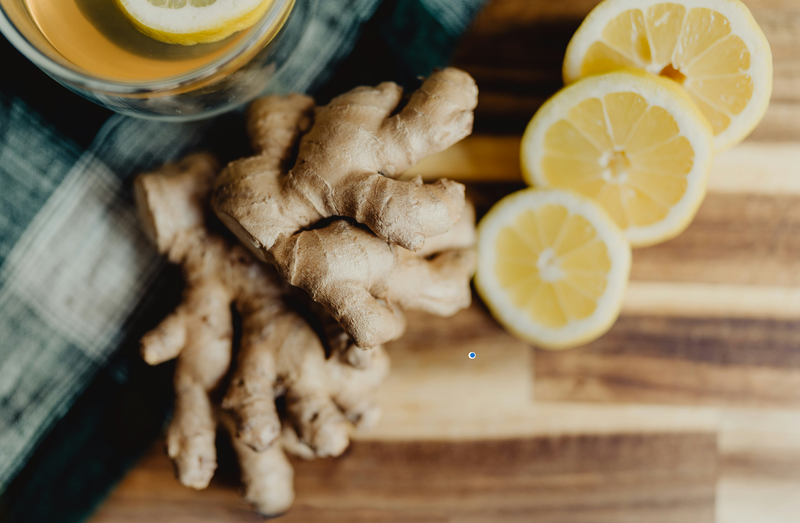
- Use spices such as ginger, cumin, coriander and fennel to add flavour to your meals and make it better digestible.
- Drink warm water and teas.
Balance is key
Ayurveda is not about making your digestive fire as strong as possible. A very intense Agni can also be associated with discomfort, such as burning or excessive hunger. The goal is balanced and steady digestion.
Do you want to know more about Ayurveda? Read this blog….
Curious which tea supports your agni? Check out our agni tea
Enjoyed this read?
Get new articles, rituals and recipes in your inbox first. Occasional, calm and never spam.
- Seasonal rituals and recipes
- Ayurveda for every phase of your cycle
- First to hear about new blends and workshops